Recommended: “Master the Job Interview: Practical STAR Tips to Get Offers”
Master the Interview: Practical Tips That Get Results
Interviews are a performance and a conversation. Preparation, clarity, and presence separate candidates who get offers from those who don’t. These practical, evergreen interview tips help you present skills and fit confidently — regardless of industry or role.
Prepare with purpose
– Research the company beyond the homepage. Scan recent news, product pages, leadership bios, and employee reviews to understand priorities and culture. Identify two or three areas where your experience directly aligns with current initiatives.
– Review the job description line by line. Match achievements to each key requirement so you can quickly cite relevant examples.
– Rehearse concise stories about major wins, challenges, and learning moments. Aim for specificity: metrics, timelines, stakeholders, and outcomes.
Answer strategically: use the STAR framework
– Situation: Briefly set the scene.
– Task: Describe the goal or challenge.
– Action: Explain specific steps taken (focus on your role).
– Result: Share measurable outcomes and what was learned.
Example: “Faced with a 20% drop in retention (Situation), tasked to revive engagement (Task). Launched a targeted onboarding and monthly check-ins, coordinated cross-functional input (Action). Retention rose 12% in three months and NPS increased by 8 points (Result).”
Handle behavioral and technical questions
– Behavioral questions probe soft skills and judgment.
Use STAR stories that highlight collaboration, conflict resolution, leadership, and adaptability.
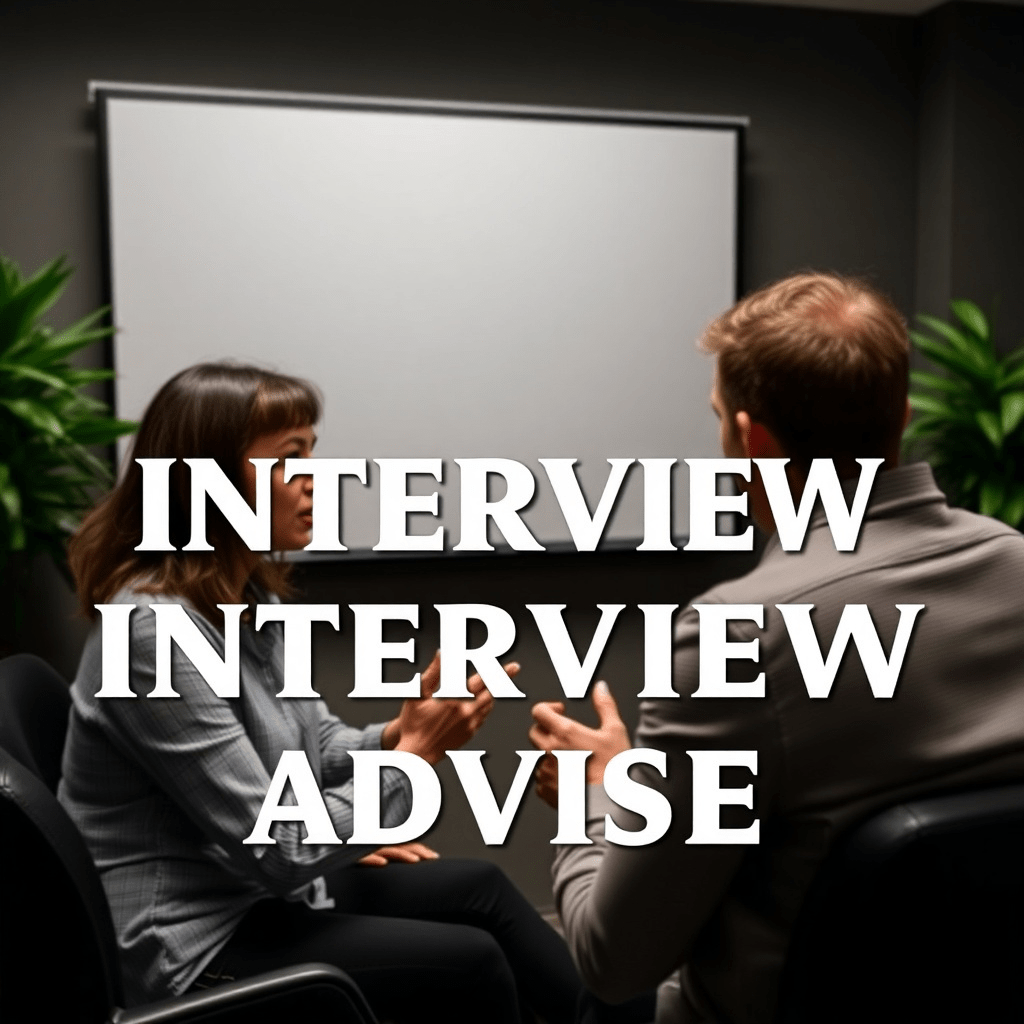
– For technical or case-style questions, narrate your thought process. Interviewers want to see problem-solving approach, not just the final answer.
– If stumped, pause, ask clarifying questions, and outline your plan aloud.
Silence that’s purposeful is better than guessing.
Showcase communication and body language
– Maintain steady eye contact, sit upright, and use open hand gestures. These cues convey confidence and engagement.
– Mirror the interviewer’s energy and tone subtly. If they are formal, stay formal; if conversational, match that warmth.
– Avoid filler words, but don’t aim for robotic perfection. Natural pauses allow time to think and emphasize key points.
Ask smart questions
– Prioritize questions that reveal long-term fit and expectations: team structure, success metrics for the role, and upcoming priorities.
– Avoid questions easily answered by a quick website check. Instead, ask about challenges the team faces or how success is celebrated.
– End with a question about next steps to show interest and logistical awareness.
Follow up effectively
– Send a brief, personalized thank-you note within 24 hours. Mention one specific topic from the interview and restate enthusiasm for the role.
– If there’s new supporting material (a portfolio sample, reference contact), include it with a sentence explaining its relevance.
Avoid common pitfalls
– Don’t badmouth past employers — frame challenges as learning opportunities.
– Don’t over-rehearse to the point that answers sound memorized.
– Don’t undersell results. Use data where possible and attribute credit clearly when applicable.
Quick checklist before any interview
– Confirm time, platform, and contact details.
– Quiet, tidy space with good lighting and a neutral background.
– Hard copy of resume, job description, and notes within reach.
– Water nearby and a charged device.
Careful preparation paired with clear, concise storytelling builds credibility quickly. Approach each interview as a chance to solve a problem for the employer, and the conversation will naturally follow a winning arc.